




App
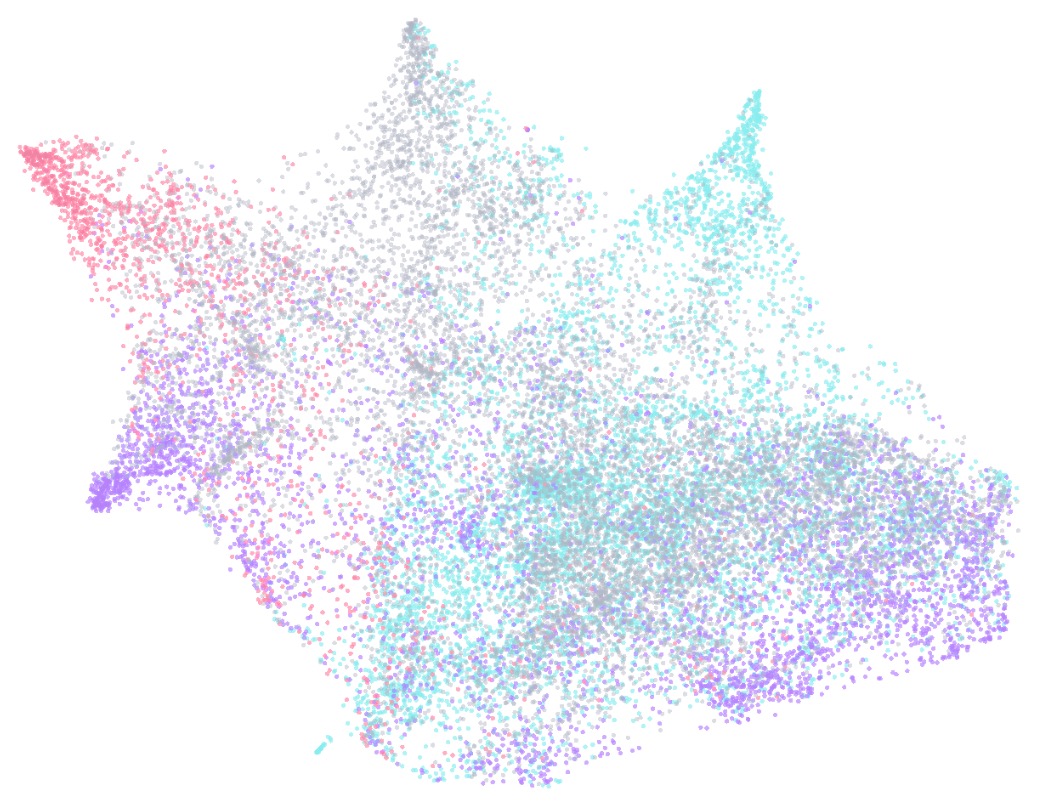
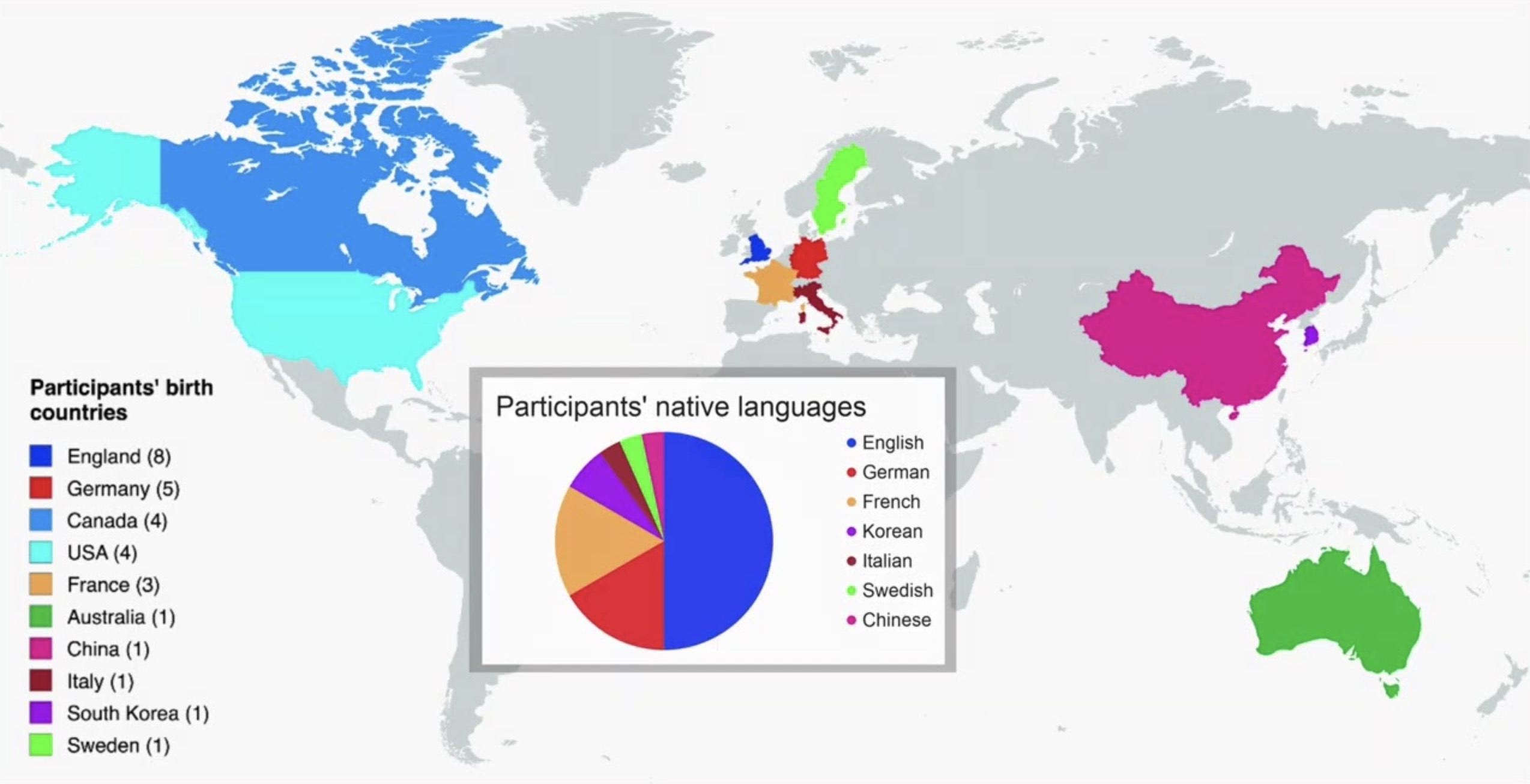
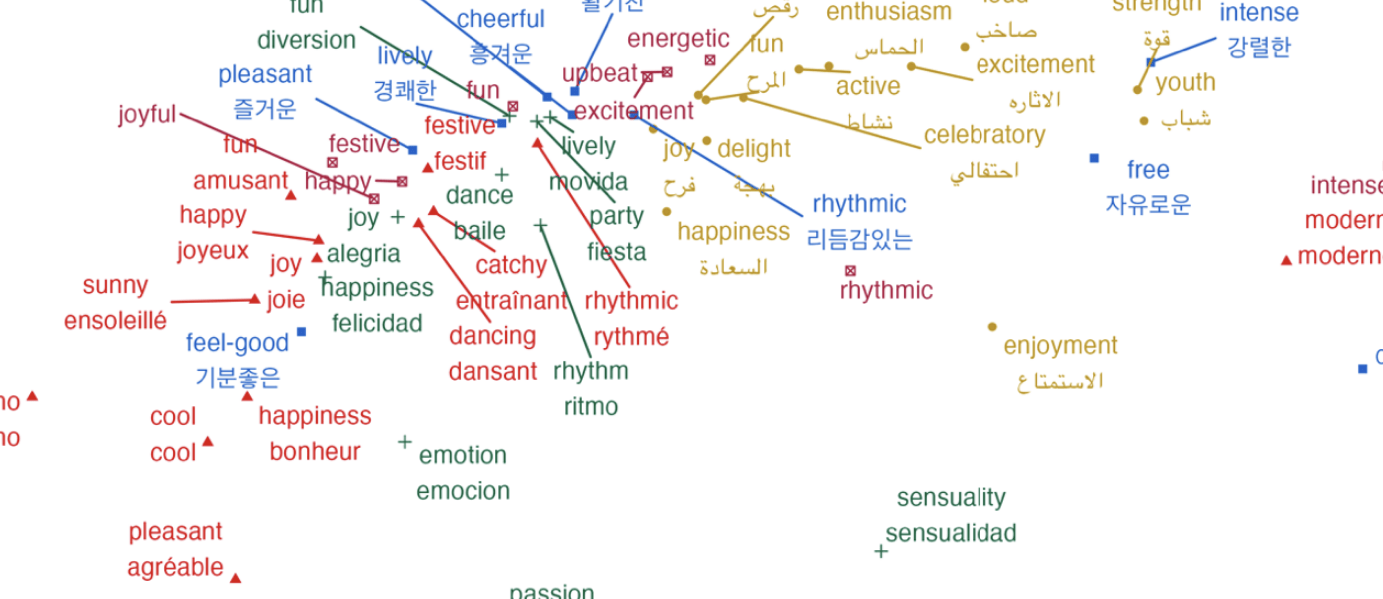
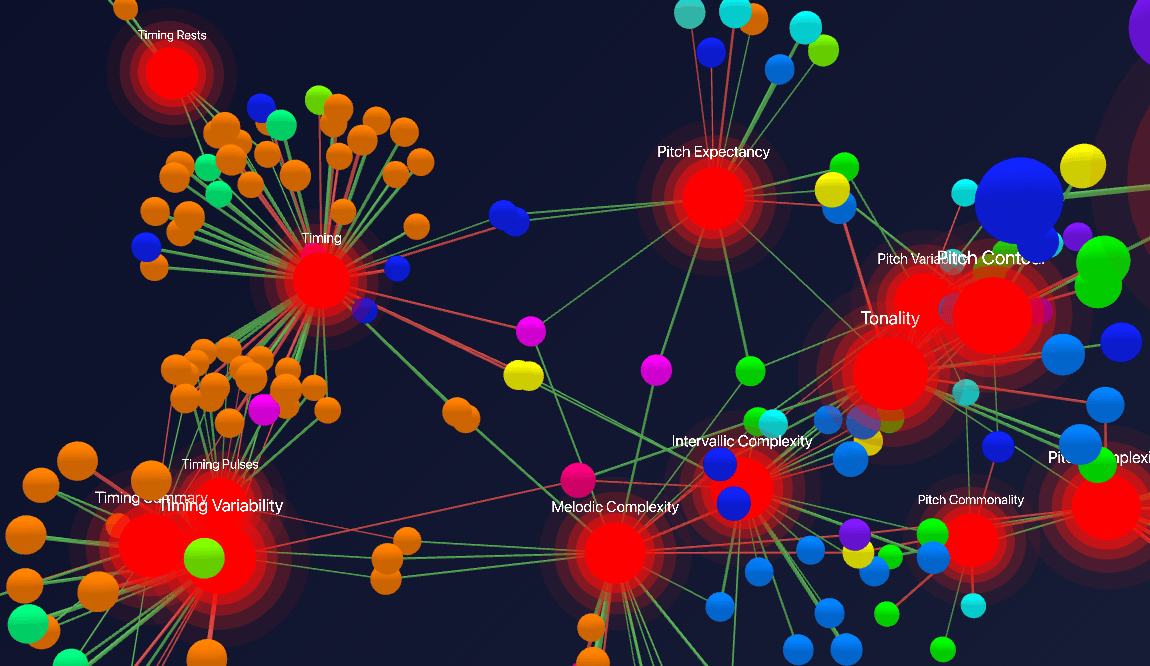
GlobalMood explorer
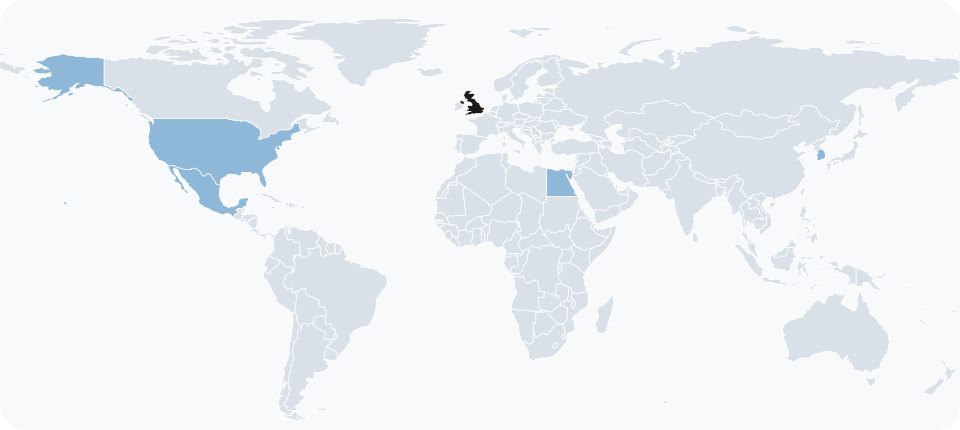
What moods do people feel in music across the world?

We conduct systematic scientific and computational research into music, seeking to understand both the cognition of music by listeners and performers, and the development of musical cultures across the world and through time.
We study various cognitive phenomena essential to music perception and production:
Our work involves the following:



Prospective applicants for the 2027 Leverhulme Early Career Fellowships are invited to explore hosting opportunities with the Faculty of Music and the Centre for Music and Science.

Catherine Tan and Peter Harrison study the music people use to regulate mood, and Huw Cheston, Reuben Bance, and Peter Harrison show that machine-learning models can identify iconic jazz pianists from their playing.
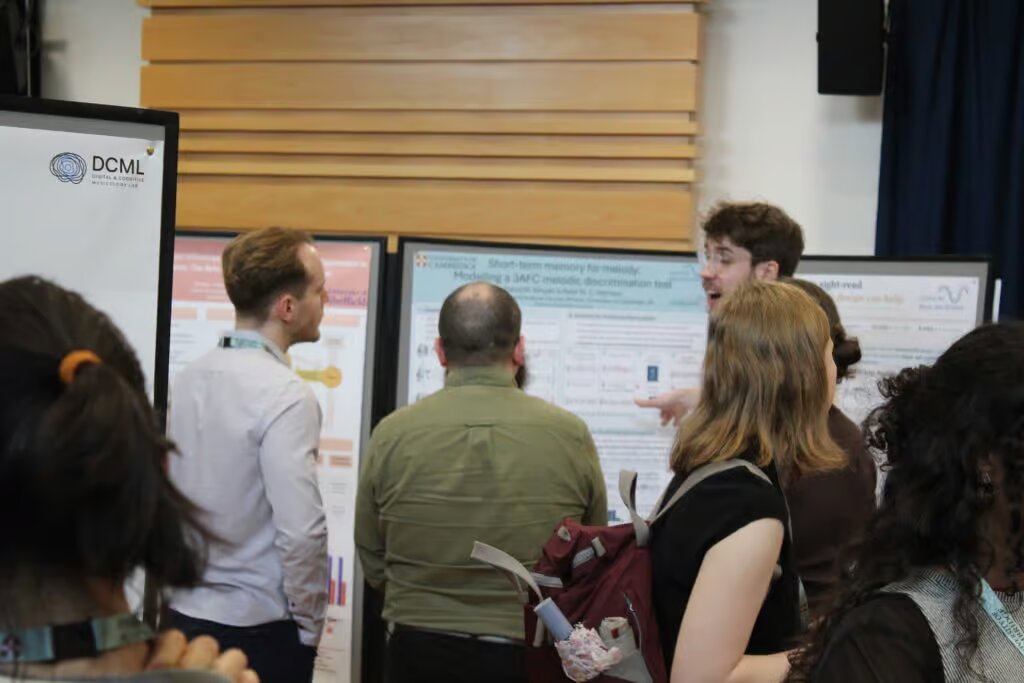
The 2026 SEMPRE PGR/ECR Conference brought more than 200 delegates to Cambridge for a hybrid day of music psychology and music education research.

CMS Director, Associate Professor

Emeritus Professor

Junior Research Fellow

Senior Research Associate

Research Assistant

Technical Consultant

Computer Officer, Faculty of Music

PhD student

PhD student

PhD student

PhD student

PhD student

PhD student

PhD student

Affiliate Researcher

Affiliate Researcher

Affiliate Researcher

Affiliate Researcher

Affiliate Researcher

Affiliate Researcher

Affiliate Researcher

Affiliate Researcher
Our team is organised into two research groups:


Released datasets from the lab with published work
Explore datasets →Studios, computer room, and research room in our purpose-built building
Explore facilities →Research topics and how to apply for undergraduate, MPhil, PhD, and postdoctoral pathways
Find out more →